

Standard Dimensions for S4S Balsa Wood: What You Need to Know
- Henri Laprade
- Jan 5
- 4 min read
When working with balsa wood, especially for projects that demand lightweight yet strong materials, understanding the standard dimensions for S4S balsa wood is crucial. Whether you’re crafting model airplanes, architectural prototypes, or lightweight furniture, knowing the exact sizes and finishes available can save you time and money. Let me walk you through everything you need to know about S4S balsa wood dimensions, why they matter, and how to choose the right size for your project.
Why Dimensions Matter for S4S Balsa Wood
Balsa wood is famous for being incredibly light and easy to work with. But not all balsa wood is created equal. The dimensions you choose affect not only the strength and weight of your final product but also how easy it is to cut, shape, and assemble.
Standard dimensions ensure consistency. When you order S4S balsa wood, you expect pieces that fit together perfectly without extra sanding or trimming. This is especially important for manufacturers and hobbyists who need precision.
Here’s why dimensions matter:
Fit and finish: Precise dimensions mean less time spent adjusting pieces.
Structural integrity: Thickness and width affect strength.
Material waste: Correct sizing reduces leftover scraps.
Cost efficiency: Buying the right size saves money.
Understanding the typical sizes available helps you plan better and avoid surprises.
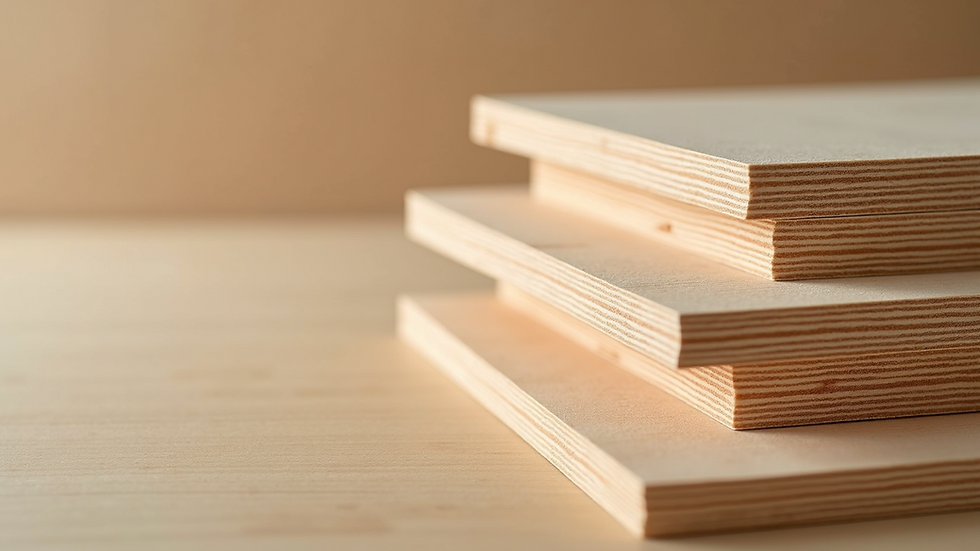
Common Dimensions for S4S Balsa Wood
S4S stands for “surfaced four sides,” meaning the wood is planed smooth on all four sides. This finish makes the wood ready to use right out of the box. But what about the sizes?
Standard S4S balsa wood typically comes in a range of thicknesses, widths, and lengths. Here are the most common dimensions you’ll find:
Thickness: Usually ranges from 1/16 inch (1.6 mm) up to 1 inch (25.4 mm).
Width: Common widths include 1 inch (25.4 mm), 2 inches (50.8 mm), and 3 inches (76.2 mm).
Length: Standard lengths are often 36 inches (914 mm) or 48 inches (1219 mm).
These sizes cover most needs, from delicate model parts to larger structural components.
If you need something custom, many suppliers offer cut-to-size options, but standard sizes are more cost-effective and readily available.
For a detailed list of s4s balsa dimensions, you can check out CR Balsa’s catalog, which provides exact measurements and availability.
What does S4S mean on lumber?
You might be wondering, what exactly does S4S mean? It’s a common term in woodworking but worth clarifying.
S4S stands for “Surfaced Four Sides.” This means the lumber has been planed smooth on all four sides: the two faces and the two edges. The result is a piece of wood that is uniform in thickness and width, with smooth surfaces ready for immediate use.
Why is this important?
No rough edges: You don’t have to sand or plane the wood yourself.
Consistent dimensions: Each piece matches the stated size exactly.
Better bonding: Smooth surfaces glue and paint better.
Professional finish: Ideal for projects where appearance matters.
For balsa wood, which is soft and easy to damage, having S4S finish means less handling damage and a cleaner look.
How to Choose the Right S4S Balsa Wood Dimensions for Your Project
Choosing the right size depends on your project’s requirements. Here are some tips to help you decide:
Consider the load and strength needed. Thicker pieces provide more strength but add weight.
Think about the detail level. Thin sheets or strips are perfect for fine details.
Plan for assembly. Standard widths and lengths make joining easier.
Account for finishing. If you plan to paint or seal, smooth surfaces save prep time.
Budget wisely. Larger or custom sizes may cost more.
For example, if you’re building a model airplane wing, you might choose 1/8 inch thick by 3 inches wide planks for a good balance of strength and lightness. For a display model, thinner sheets might be better.
Remember, the right dimensions can make your project easier and more successful.

Tips for Working with S4S Balsa Wood
Once you have your S4S balsa wood, here are some practical tips to get the best results:
Cut with a sharp blade: Balsa is soft but can splinter if cut with dull tools.
Use clamps carefully: Too much pressure can dent the wood.
Sand lightly: The S4S finish is smooth, so minimal sanding is needed.
Seal before painting: Balsa absorbs paint quickly; sealing helps.
Store properly: Keep wood flat and dry to avoid warping.
These simple steps help maintain the quality of your wood and improve your project’s durability.
Why CR Balsa is a Top Choice for S4S Balsa Wood
If you’re looking for premium, sustainably sourced balsa wood, CR Balsa stands out. Their commitment to quality and sustainability means you get wood that is:
Lightweight and strong
Consistently sized and finished
Sourced responsibly to protect forests
Available in a wide range of standard dimensions
Choosing a reliable supplier like CR Balsa ensures your projects have the best materials from the start.
Understanding the standard dimensions for S4S balsa wood is more than just knowing numbers. It’s about selecting the right material that fits your needs perfectly, saves time, and delivers excellent results. Whether you’re a manufacturer or a hobbyist, having this knowledge empowers you to make smarter choices and create with confidence.


Comments