

S4S Balsa Price Guide: Trends in Costa Rica
- Henri Laprade
- Jan 26
- 4 min read
Balsa wood is a unique material prized for its lightweight strength and versatility. If you work with balsa wood, whether as a manufacturer, hobbyist, or business, understanding the price trends in Costa Rica is essential. Costa Rica is one of the world’s leading producers of premium balsa, and its market dynamics can impact your sourcing decisions and costs. In this post, I’ll walk you through the latest insights on balsa price trends, factors influencing costs, and practical tips to navigate the market effectively.
Understanding the Balsa Price Guide in Costa Rica
Costa Rica’s balsa wood market is shaped by several factors, including supply, demand, and sustainability practices. The country’s commitment to sustainable forestry means that balsa prices reflect not only the wood’s quality but also the environmental standards upheld during harvesting.
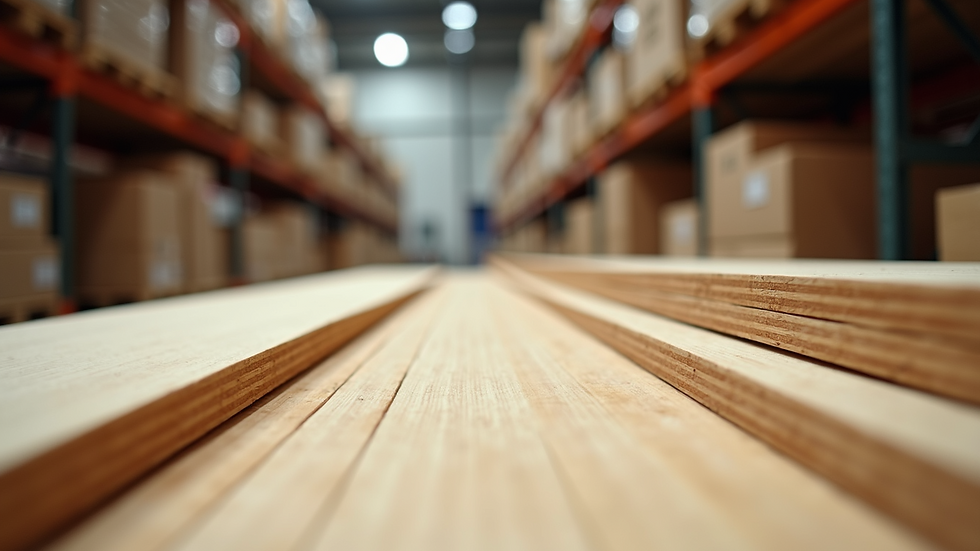
Balsa wood is typically sold in various grades and finishes. One popular finish is S4S (surfaced four sides), which means the wood is planed smooth on all sides, making it ready for immediate use. This finish adds value and convenience but also affects the price.
Key factors influencing balsa prices in Costa Rica:
Sustainability certifications: Certified sustainable balsa often commands a premium.
Wood grade and thickness: Higher grades and thicker boards cost more.
Market demand: Increased demand from industries like aerospace, model making, and construction can push prices up.
Export costs: Shipping and logistics impact the final price for international buyers.
By keeping an eye on these factors, you can better anticipate price fluctuations and plan your purchases accordingly.
How to Use This Balsa Price Guide to Your Advantage
Knowing the price trends is just the start. To make the most of this information, consider these practical steps:
Buy in bulk during low-demand seasons: Prices tend to dip when demand slows, so timing your purchases can save money.
Choose the right grade for your project: Don’t overpay for premium grades if your application doesn’t require it.
Work with local suppliers: Costa Rican suppliers often offer better prices and fresher stock than international middlemen.
Request samples: Before committing to large orders, test the wood quality to ensure it meets your needs.
Stay updated on market news: Changes in export regulations or environmental policies can affect prices quickly.
By applying these tips, you can optimize your sourcing strategy and maintain cost efficiency without compromising quality.
Does Lowes Sell Balsa Wood?
If you’re wondering whether big-box retailers like Lowes carry balsa wood, the answer is generally no. Lowes and similar stores typically stock common hardwoods and softwoods but rarely offer specialty woods like balsa, especially in S4S finish. For high-quality balsa, especially sustainably sourced Costa Rican balsa, you’ll want to connect with specialized suppliers or distributors.
This means that for projects requiring premium balsa, relying on local Costa Rican suppliers or dedicated importers is your best bet. They provide better selection, consistent quality, and often more competitive pricing than general hardware stores.

What’s Driving the Current S4S Balsa Price in Costa Rica?
The current s4s balsa price in Costa Rica reflects a balance between sustainable harvesting practices and growing global demand. Here’s what’s influencing prices right now:
Sustainability initiatives: Costa Rica’s strict forestry regulations ensure that balsa harvesting does not harm the environment. This responsible approach adds to production costs but guarantees a premium product.
Global demand surge: Industries like aerospace, automotive, and hobby crafts are increasingly using balsa for its lightweight strength, pushing prices upward.
Currency fluctuations: The Costa Rican colón’s exchange rate against the US dollar can affect export prices.
Transportation costs: Rising fuel prices and shipping delays have increased logistics expenses, which suppliers pass on to buyers.
Despite these pressures, Costa Rica remains competitive due to its reputation for quality and sustainability. For buyers, this means paying a fair price for a reliable, eco-friendly product.
Tips for Manufacturers and Hobbyists Buying Balsa Wood in Costa Rica
Whether you’re crafting model airplanes, building prototypes, or manufacturing lightweight components, here are some actionable recommendations to get the best value:
Specify your requirements clearly: Communicate the exact dimensions, grade, and finish you need to avoid unnecessary costs.
Negotiate volume discounts: Larger orders often qualify for better pricing.
Consider lead times: Plan ahead to avoid rush orders, which can be costly.
Verify supplier certifications: Ensure your supplier complies with sustainability standards.
Explore alternative grades: Sometimes, slightly lower grades can meet your needs at a fraction of the cost.
By following these guidelines, you can secure high-quality balsa wood that fits your budget and project demands.
Looking Ahead: The Future of Balsa Wood Pricing in Costa Rica
The outlook for balsa wood prices in Costa Rica is promising but dynamic. As global industries continue to seek lightweight, strong materials, demand for premium balsa is expected to grow. Costa Rica’s leadership in sustainable forestry positions it well to meet this demand responsibly.
However, buyers should stay alert to potential challenges:
Environmental regulations may tighten further, affecting supply.
Technological advances in alternative materials could influence demand.
Global economic shifts might impact currency and shipping costs.
Staying informed and building strong relationships with trusted suppliers will be key to navigating these changes successfully.
If you want to stay ahead in your projects or business, understanding the nuances of the Costa Rican balsa market is invaluable. With this guide, you’re better equipped to make smart, cost-effective decisions when sourcing balsa wood.
Happy building!


Comments