

Standard Balsa Dimensions: Standard Balsa S4S Sizes Explained
- Henri Laprade
- Jan 20
- 4 min read
When working with balsa wood, understanding the standard balsa dimensions is crucial. Whether you’re building model airplanes, crafting prototypes, or manufacturing lightweight structures, knowing the exact sizes of balsa S4S (surfaced four sides) lumber can save you time and money. In this post, I’ll walk you through the essentials of balsa S4S sizes, explain why these dimensions matter, and share practical tips for selecting the right pieces for your projects.
What Are Standard Balsa Dimensions?
Balsa wood is prized for its lightweight and strength, making it a favorite in many industries. But what exactly are the standard balsa dimensions you can expect when purchasing S4S lumber?
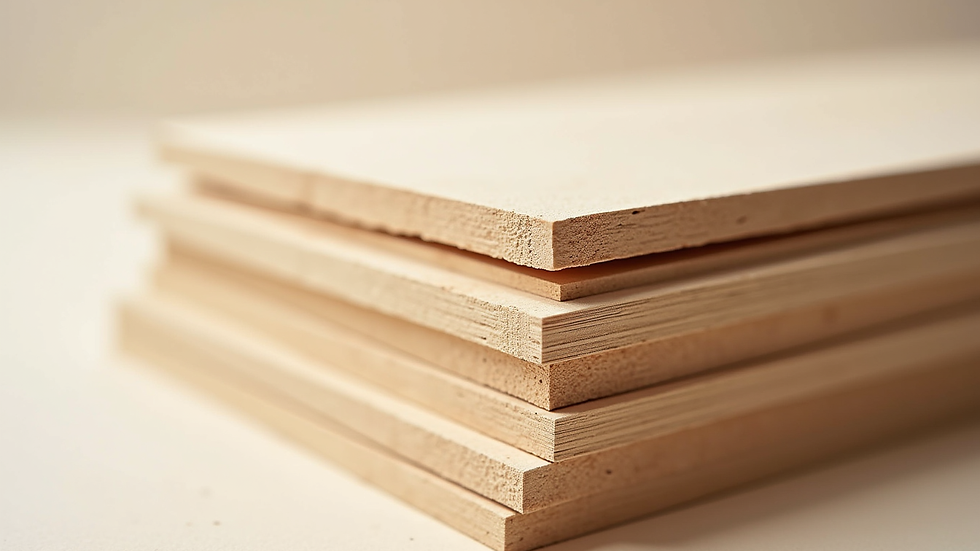
Typically, balsa S4S comes in a variety of thicknesses, widths, and lengths. The most common thicknesses range from 1/16 inch to 1 inch, with widths and lengths varying depending on the supplier. The “S4S” term means the wood has been planed smooth on all four sides, ensuring consistent thickness and smooth surfaces for easy handling and finishing.
Here’s a quick overview of typical balsa S4S sizes:
Thickness: 1/16", 1/8", 1/4", 3/8", 1/2", 3/4", 1"
Width: 1" to 6" (sometimes wider)
Length: Usually 36" or 48", but custom lengths are often available
These dimensions are not random. They are designed to meet the needs of manufacturers, hobbyists, and businesses that require precise, lightweight, and strong wood pieces.

Why Standard Balsa Dimensions Matter
You might wonder, why should you care about these standard sizes? The answer is simple: consistency and efficiency.
When you order balsa wood, you want to be sure that the pieces you receive will fit your project specifications without extra cutting or sanding. Standard dimensions mean you can plan your work accurately, reduce waste, and speed up production.
For example, if you’re building a model airplane wing, knowing that your balsa sheets are exactly 1/8" thick and 3" wide allows you to design parts that fit perfectly without guesswork. This precision is especially important in industries where weight and strength are critical factors.
Moreover, standard sizes help suppliers like CR Balsa maintain quality control and sustainability. By offering consistent dimensions, they reduce material waste and ensure that every piece meets strict strength and durability standards.
What is the actual width of a standard 2x8 piece of S4S framing lumber?
Before diving deeper into balsa wood specifics, it’s helpful to understand how standard lumber sizing works in general. A “2x8” piece of S4S framing lumber does not actually measure 2 inches by 8 inches. Instead, after surfacing and drying, the actual dimensions are smaller.
A standard 2x8 piece of S4S lumber typically measures:
Actual thickness: 1.5 inches
Actual width: 7.25 inches
This reduction happens because the wood is planed smooth on all sides, removing the rough outer layers. This same principle applies to balsa S4S sizes, where the finished dimensions are precise and consistent, not just nominal.
Understanding this helps you appreciate why knowing the exact measurements of your balsa wood is essential. It’s not enough to order “1/4 inch thick” wood; you need to confirm the actual thickness and width to ensure your project fits perfectly.

How to Choose the Right Balsa S4S Size for Your Project
Choosing the right balsa S4S size depends on your project’s requirements for strength, weight, and finish. Here are some practical tips to guide your selection:
Consider Thickness First
Thicker balsa pieces offer more strength but add weight. For lightweight models, thinner sheets like 1/16" or 1/8" are ideal. For structural parts, 1/4" or thicker may be necessary.
Match Width to Your Design
Wider boards reduce the number of joints and seams, which can improve strength and appearance. However, wider boards may be harder to source or more expensive.
Length Matters
Longer pieces reduce the need for splicing but can be harder to handle. Choose lengths that fit your workspace and project size.
Check for Consistency
Always verify that the supplier provides consistent thickness and width. Variations can cause problems during assembly.
Sustainability and Quality
Opt for suppliers who source balsa wood sustainably and maintain high quality standards. This ensures your materials are not only strong but also environmentally responsible.
If you want to explore more about balsa s4s sizes, CR Balsa offers a comprehensive range of premium, sustainably sourced balsa wood products tailored to diverse needs.
Practical Applications of Standard Balsa S4S Sizes
Understanding standard balsa dimensions is not just theoretical. It has real-world applications across various industries:
Model Building: Precise sizes allow hobbyists to create detailed, lightweight models with minimal waste.
Prototyping: Engineers use standard balsa sheets to quickly build prototypes that are easy to modify.
Aerospace and Drones: Lightweight balsa parts reduce overall weight, improving flight performance.
Furniture and Decor: Balsa’s smooth finish and consistent size make it ideal for decorative elements and lightweight furniture components.
By selecting the right standard balsa dimensions, you can optimize your project’s performance and aesthetics.
Tips for Working with Balsa S4S Lumber
Working with balsa wood is straightforward, but a few tips can make your experience even better:
Use Sharp Tools: Balsa is soft but can splinter if cut with dull blades.
Sand Gently: The smooth S4S finish means less sanding is needed, but light sanding can improve paint adhesion.
Seal Edges: Balsa absorbs moisture easily. Sealing edges with a light coat of glue or paint helps protect your work.
Store Properly: Keep balsa wood flat and dry to prevent warping.
These simple steps ensure your balsa projects look professional and last longer.
Standard balsa dimensions are more than just numbers. They represent a commitment to quality, consistency, and sustainability. By understanding these sizes and how to use them, you can create stronger, lighter, and more precise products. Whether you’re a manufacturer or a hobbyist, choosing the right balsa S4S lumber is the first step toward success.



Comments