

Understanding S4S Balsa Pricing Factors
- Henri Laprade
- 3 days ago
- 4 min read
When it comes to selecting the right wood for your projects, S4S balsa wood stands out for its lightweight strength and versatility. But have you ever wondered what drives the cost of this premium material? Whether you’re a manufacturer, hobbyist, or business, understanding the factors impacting S4S balsa pricing can help you make smarter purchasing decisions and optimize your budget.
Let’s dive into the key elements that influence the price of S4S balsa wood and explore how these factors shape the market.
Key S4S Balsa Pricing Factors
Pricing for S4S balsa wood is not arbitrary. Several critical factors come into play, affecting the final cost you pay. Here’s a breakdown of the most important ones:
1. Quality and Grade of the Wood
Balsa wood comes in different grades, which directly impact its price. Higher-grade balsa is denser, stronger, and has fewer defects like knots or cracks. This premium quality is essential for applications requiring maximum strength and durability, such as aerospace components or high-end model building.
Lower-grade balsa, while more affordable, may have imperfections that limit its use to less demanding projects. Always consider the grade you need because paying for premium quality when it’s not necessary can inflate your costs unnecessarily.
2. Thickness and Dimensions
The size and thickness of the S4S balsa boards also influence pricing. Thicker boards require more raw material and longer drying times, which increases production costs. Similarly, larger dimensions mean more wood per piece, naturally raising the price.
If your project allows, opting for thinner or smaller pieces can reduce expenses without compromising functionality. However, be mindful of your structural needs to avoid sacrificing performance.
3. Supply and Demand Dynamics
Like many natural materials, balsa wood pricing is affected by supply and demand. Balsa trees grow primarily in specific regions, and factors like weather conditions, harvesting regulations, and transportation logistics can limit supply.
When demand spikes—perhaps due to increased manufacturing or hobbyist interest—prices tend to rise. Conversely, an oversupply or reduced demand can lead to price drops. Keeping an eye on market trends can help you time your purchases for the best deals.
4. Sustainability and Sourcing Practices
Sustainably sourced balsa wood often commands a premium price. Responsible harvesting ensures that balsa forests are preserved and regenerated, supporting long-term availability and environmental health.
If sustainability is a priority for your business or project, expect to pay a bit more for certified wood. This investment not only benefits the planet but also aligns with growing consumer demand for eco-friendly materials.
5. Processing and Finishing Costs
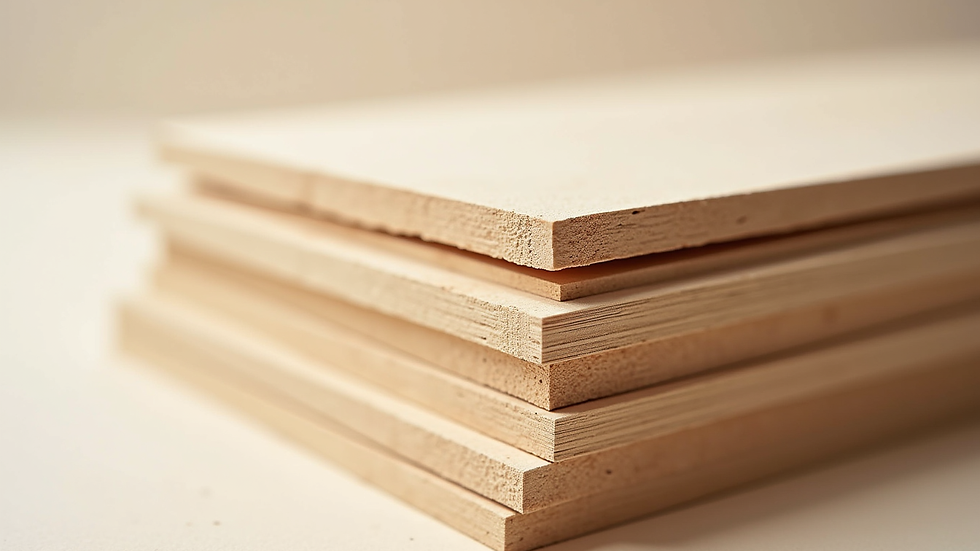
S4S stands for “surfaced four sides,” meaning the wood is planed smooth on all sides. This finishing process adds value by providing ready-to-use boards that save time and effort.
However, the more precise and refined the finishing, the higher the cost. Additional treatments like kiln drying to reduce moisture content or custom sizing can also increase the price.
Does Lowes Sell Balsa Wood?
If you’re wondering whether major retailers like Lowes carry balsa wood, the answer is yes, but with some caveats. Lowes typically stocks balsa wood in their craft or lumber sections, but availability can vary by location and season.
The balsa wood you find at Lowes is often geared toward hobbyists and small projects, usually in smaller sizes and standard grades. For larger-scale manufacturing or specialized needs, sourcing from dedicated suppliers ensures better quality and more consistent pricing.
If you’re looking for specific dimensions or premium grades, it’s worth checking with specialty wood suppliers or online stores that focus on balsa wood products.
How Market Trends Affect S4S Balsa Price
The global market for balsa wood is influenced by several external factors beyond just supply and demand. Here are some trends to watch:
Currency Fluctuations: Since balsa wood is often imported from countries like Ecuador, exchange rates can impact pricing. A weaker local currency can make imports more expensive.
Transportation Costs: Rising fuel prices or shipping delays can increase the cost of delivering balsa wood to your location.
Technological Advances: Improvements in harvesting and processing can reduce costs over time, potentially lowering prices.
Regulatory Changes: New environmental laws or trade tariffs can affect availability and cost.
By staying informed about these trends, you can anticipate price changes and plan your purchases accordingly.

Tips for Getting the Best Value on S4S Balsa Wood
Now that you know what impacts the price, how can you get the best value for your money? Here are some practical tips:
Buy in Bulk: Larger orders often come with discounts. If you have ongoing projects, consider stocking up to save.
Specify Your Needs Clearly: Avoid overpaying by ordering the exact grade, thickness, and dimensions you require.
Compare Suppliers: Don’t settle for the first quote. Check multiple sources to find competitive pricing.
Ask About Sustainability: If eco-friendliness matters, inquire about certifications and sourcing practices.
Plan Ahead: Monitor market trends and buy when prices are favorable.
By applying these strategies, you can optimize your budget without compromising on quality.
Why Understanding S4S Balsa Pricing Matters
Knowing the factors that influence the cost of S4S balsa wood empowers you to make informed decisions. Whether you’re building lightweight models, manufacturing durable components, or crafting artistic pieces, the right wood at the right price makes all the difference.
Remember, the s4s balsa price you pay reflects a combination of quality, size, supply conditions, and processing. By understanding these elements, you can balance cost and performance effectively.
Choosing a supplier committed to sustainability and quality ensures you get premium wood that supports your project goals and environmental responsibility.
With this knowledge, you’re better equipped to navigate the market and select the best S4S balsa wood for your needs. Keep these factors in mind, and you’ll find the perfect balance between price and performance every time.


Comments