

CR Balsa Wood Cost: Pricing Insights for Lightweight, Strong Wood
- Henri Laprade
- Jan 6
- 4 min read
When it comes to sourcing premium balsa wood, understanding the pricing landscape is crucial. Whether you’re a manufacturer crafting lightweight components, a hobbyist building model airplanes, or a business seeking durable yet light materials, knowing what drives the cost of balsa wood can save you time and money. Today, I’m diving deep into CR Balsa wood cost and sharing insights that will help you make informed decisions.
Balsa wood is famous for its incredible strength-to-weight ratio, but what exactly influences its price? Let’s explore the factors, market trends, and practical tips to get the best value for your investment.
What Influences CR Balsa Wood Cost?
Pricing for balsa wood isn’t random. Several key factors come into play:
Quality and Grade: Balsa wood is graded based on density and grain. Higher-grade wood is lighter and stronger, which commands a premium price.
Thickness and Size: Larger sheets or thicker blocks cost more due to the amount of raw material used.
Sustainability Practices: CR Balsa prides itself on sustainable sourcing. Environmentally responsible harvesting can affect costs but ensures long-term availability.
Supply and Demand: Market demand fluctuates with industries like aerospace, construction, and crafts, impacting prices.
Processing and Shipping: Costs related to cutting, drying, and transporting the wood also add to the final price.
For example, a thin, high-grade sheet used in model aircraft might cost significantly more per square meter than a thicker, lower-grade block intended for insulation.
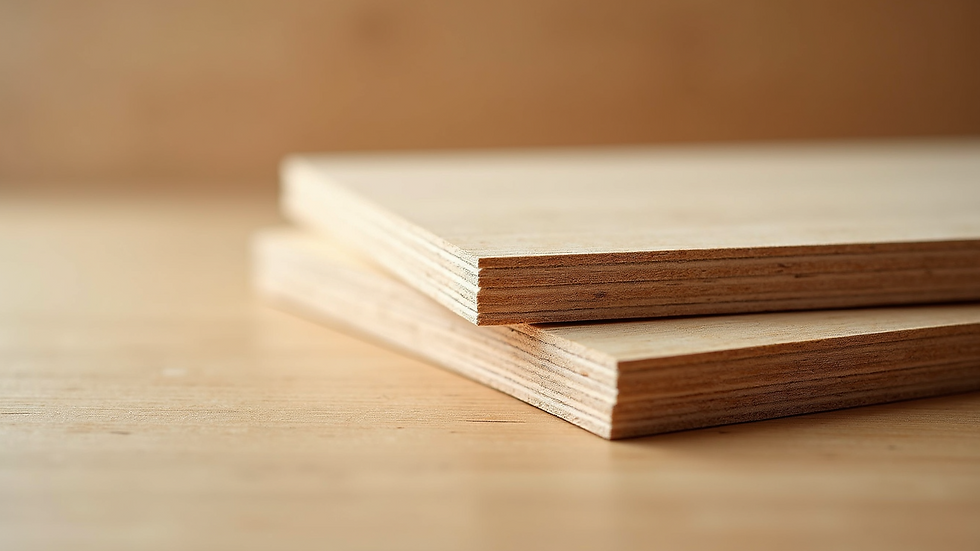
Understanding these factors helps you anticipate price changes and choose the right product for your needs.
Breaking Down CR Balsa Wood Cost by Application
Different uses require different types of balsa wood, which affects pricing:
Model Making and Hobbyists
Lightweight, fine-grain sheets are preferred here. These are often thinner and more expensive due to the precision required.
Manufacturing and Industrial Use
Larger blocks or sheets with consistent density are used for insulation, cores in composite panels, or lightweight structural components. Bulk orders can reduce unit costs.
Furniture and Design
Balsa’s unique texture and lightness make it popular for creative projects. Pricing varies based on finish and size.
For businesses, buying in bulk from a reliable supplier like CR Balsa can lead to better pricing and consistent quality. This is especially important when your product depends on the wood’s strength and weight.
Is Balsa Wood Rare?
You might wonder, Is balsa wood rare? The answer is nuanced.
Balsa trees grow primarily in tropical regions of Central and South America. While the wood itself isn’t extremely rare, high-quality balsa suitable for industrial use is less common. This is because:
Balsa grows quickly but requires specific climate conditions.
Sustainable harvesting limits overexploitation, which can restrict supply.
Demand from multiple industries can strain availability.
CR Balsa focuses on sustainable forestry practices, ensuring that the wood is harvested responsibly without depleting natural resources. This approach might slightly increase costs but guarantees a steady supply and environmental stewardship.

So, while balsa wood isn’t rare in the traditional sense, premium, sustainably sourced balsa is a valuable resource that requires careful management.
How to Get the Best Value for CR Balsa Wood
Navigating the market to find the best price without sacrificing quality can be tricky. Here are some tips I’ve found useful:
Buy Directly from Trusted Suppliers: Working with companies like CR Balsa ensures you get authentic, high-quality wood.
Order in Bulk: Larger orders often come with discounts and reduce shipping costs.
Specify Your Requirements Clearly: Knowing the exact grade, thickness, and size you need prevents overpaying for unnecessary features.
Consider Shipping and Lead Times: Factor these into your budget to avoid surprises.
Ask About Sustainability Certifications: This can add value to your product and appeal to eco-conscious customers.
For example, if you’re building lightweight drone frames, specifying a low-density grade with consistent grain can optimize both performance and cost.
If you want to check the current market, you can explore the cr balsa wood price directly to see up-to-date figures and options.
Future Trends in Balsa Wood Pricing
Looking ahead, several trends could impact CR Balsa wood cost:
Increased Demand from Green Technologies: Lightweight, sustainable materials are in high demand for electric vehicles and renewable energy sectors.
Advances in Processing Technology: Improved drying and cutting methods may reduce waste and lower costs.
Global Supply Chain Shifts: Changes in trade policies or transportation costs can affect pricing.
Sustainability Regulations: Stricter environmental laws may increase costs but also improve product quality and market appeal.
Staying informed about these trends helps you plan purchases and adjust your sourcing strategy accordingly.
Final Thoughts on CR Balsa Wood Cost
Choosing the right balsa wood means balancing cost, quality, and sustainability. CR Balsa’s commitment to premium, responsibly sourced wood makes it a smart choice for anyone needing lightweight, strong materials.
Remember, the cheapest option isn’t always the best. Investing in quality balsa wood can improve your product’s performance and durability, ultimately saving money in the long run.
If you want to explore options or get a quote, visiting the official CR Balsa website is a great first step. Understanding the nuances of pricing will empower you to make the best decisions for your projects.
Thanks for reading! I hope these insights help you navigate the world of balsa wood pricing with confidence.


Comments